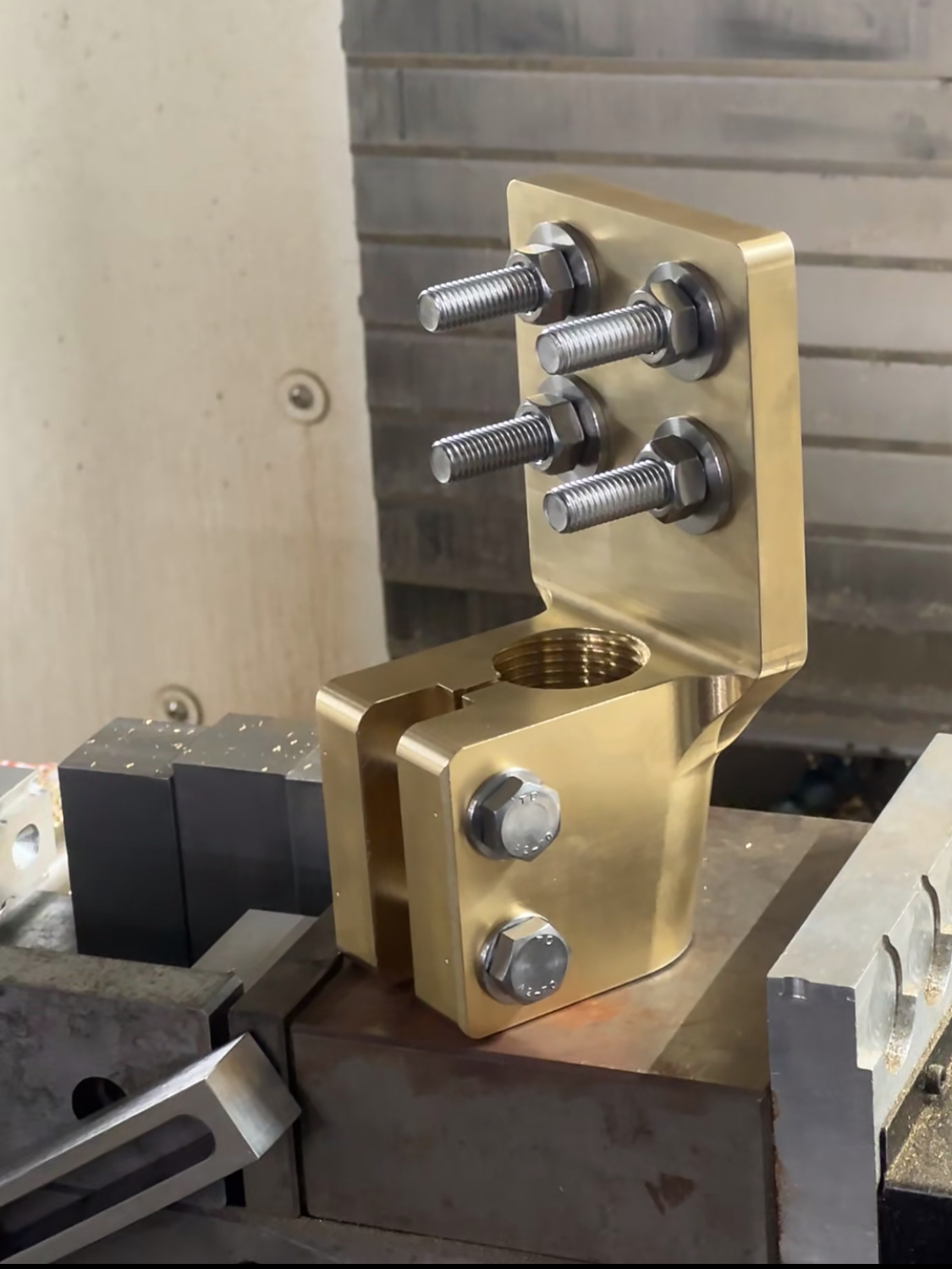
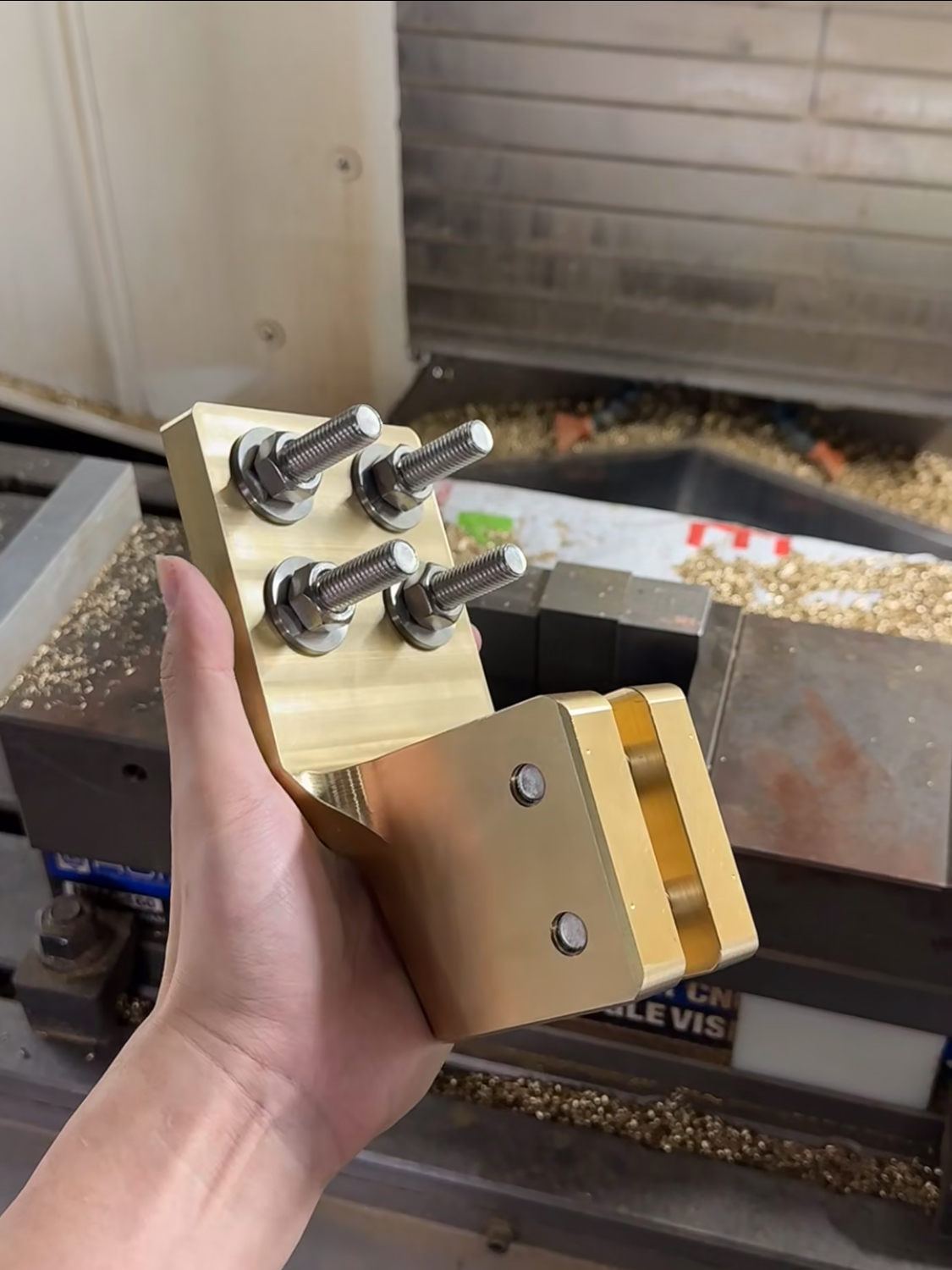
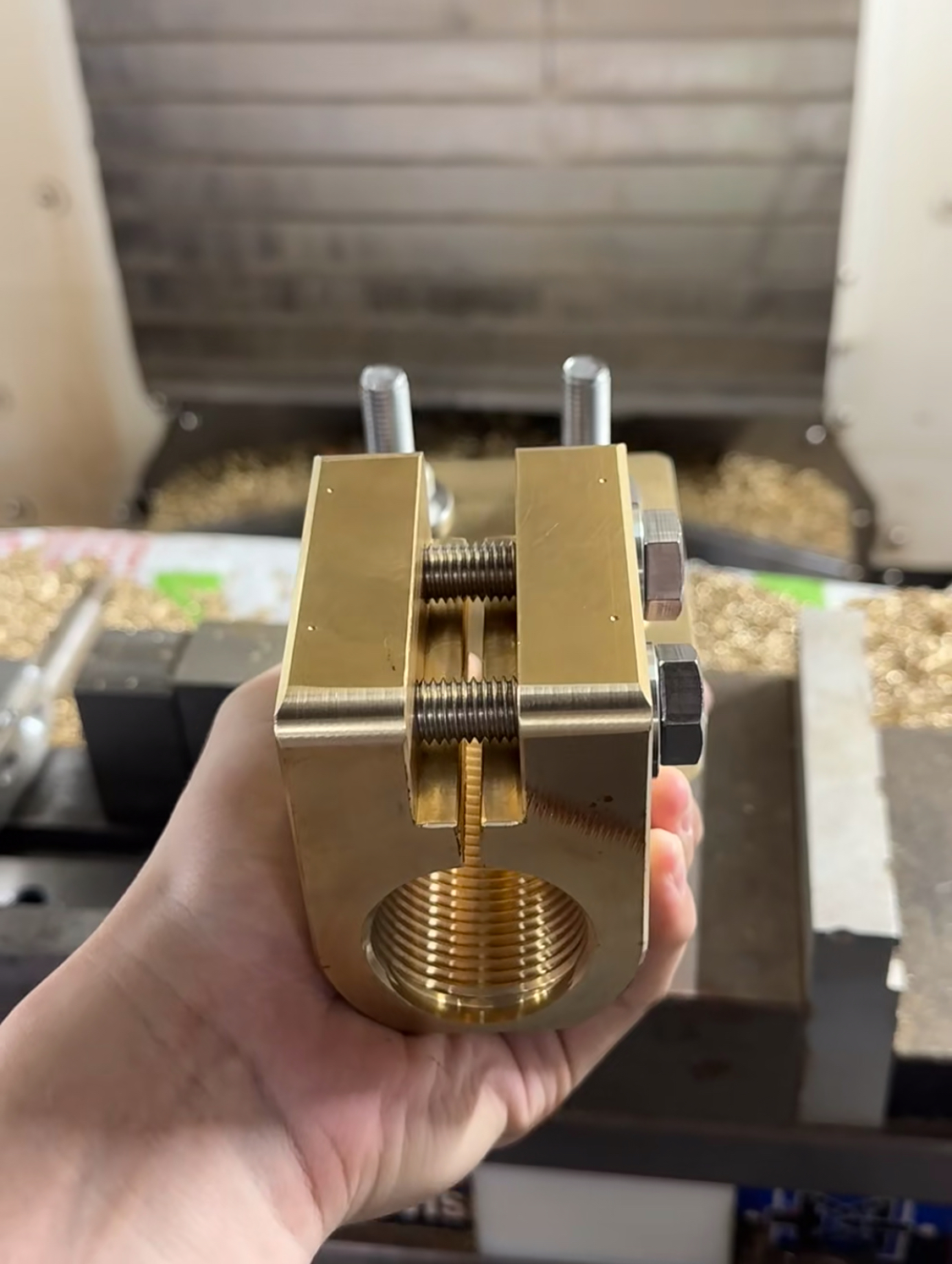
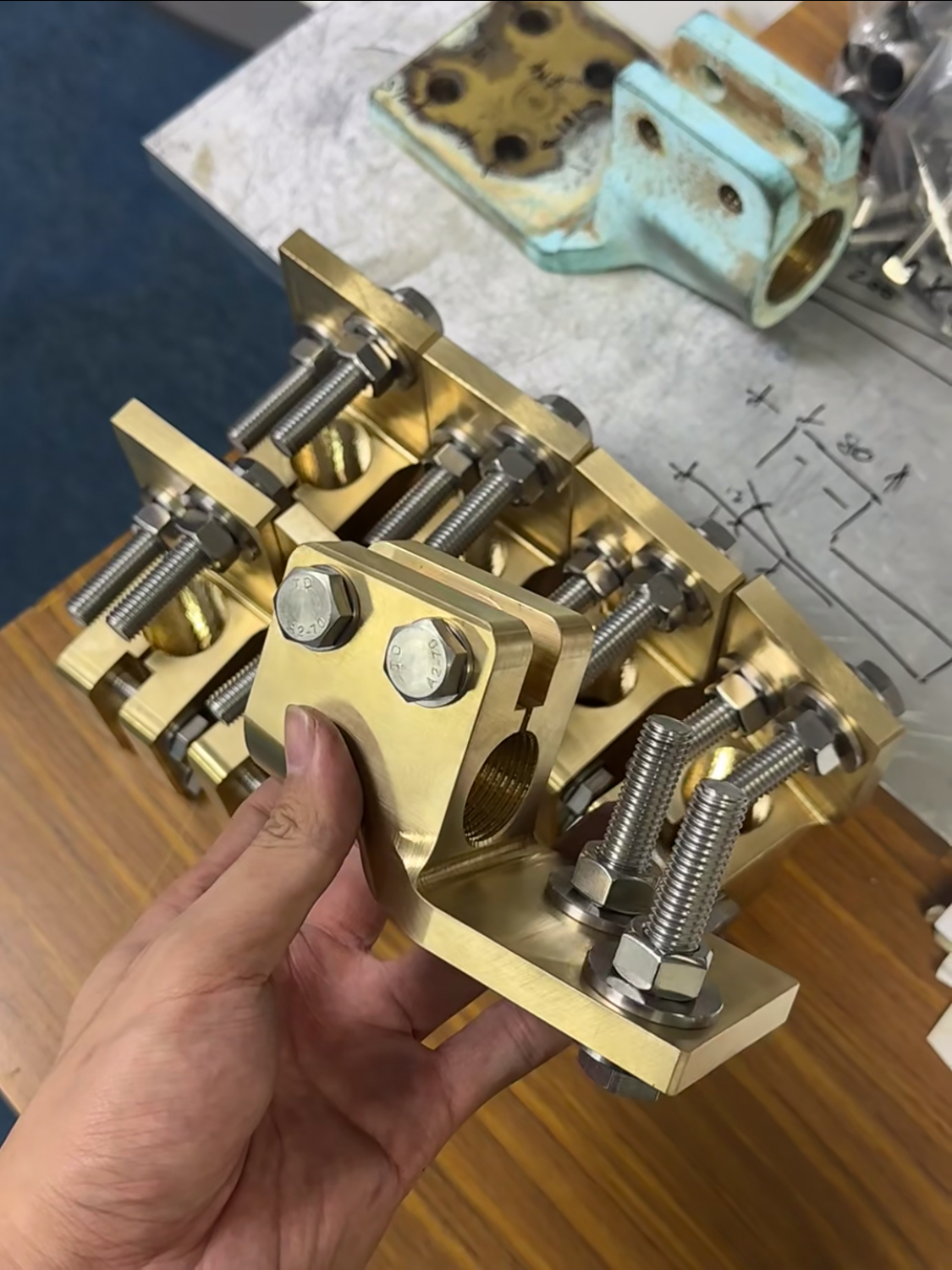
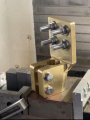
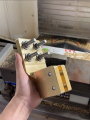
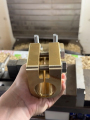
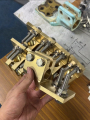
I. Core Material Advantages The main body of this product is forged from high-quality brass alloy. As a copper-zinc alloy, brass inherently has three core characteristics that perfectly meet the application requirements of conductive fixtures:
1. Excellent Electrical Conductivity: With a reasonable copper content ratio, its conductivity is far superior to that of ordinary steel and aluminum alloy. It can efficiently transmit electric current, reduce energy loss during power-on, and is suitable for various precision electronic and electrical testing and production scenarios.
2. Good Mechanical Strength: It combines hardness and ductility. After precision machining, it is not easy to deform or crack, and the clamping force is stable. It can firmly fix workpieces for a long time, avoiding the impact of fixture loosening on production or testing accuracy.
3. Outstanding Corrosion Resistance: It is not easy to oxidize and rust in common industrial environments such as humidity and mild acid-base conditions, effectively extending the service life and reducing the cost of frequent fixture replacement.
II. Product Structure and Craftsmanship
1. Precision Structural Design: According to different application scenarios, the fixture adopts a modular design, including a clamping end, a conductive contact end and an installation and fixing end. The clamping end fits the shape of the workpiece, and anti-slip lines can be customized as needed; the conductive contact end is polished to reduce contact resistance; the installation end reserves standardized interfaces, suitable for the rapid assembly of assembly lines, workbenches and testing equipment.
2. Exquisite Processing Technology: Through multiple processes such as forging, precision turning, grinding and surface passivation, the dimensional tolerance of the fixture is controlled within ±0.02mm, and the surface is smooth without burrs, which not only ensures clamping stability, but also avoids scratching the workpiece surface.
III. Application Scenarios
1. Electronic Component Testing: Such as the electrical performance testing of circuit boards, sensors and connectors, realizing the integration of workpiece fixation and current conduction.
2. Electroplating/Electrophoresis Processing: Used in surface treatment processes that require energizing workpieces to ensure uniform current distribution and improve coating quality.
3. Welding Assembly Process: Assists in positioning and energizing when welding conductive components, ensuring welding accuracy and conductive effect.
4. Automated Production Line: Matched with automated equipment to complete rapid clamping, conductive testing and blanking of workpieces, improving production efficiency. IV. Summary of Product Features • Integrates the dual functions of conduction and fixation, simplifying the tooling process • Brass material is durable and corrosion-resistant, suitable for complex industrial environments • Precision machining, accurate dimensions and strong compatibility • Supports non-standard customization to meet the use needs of different workpieces