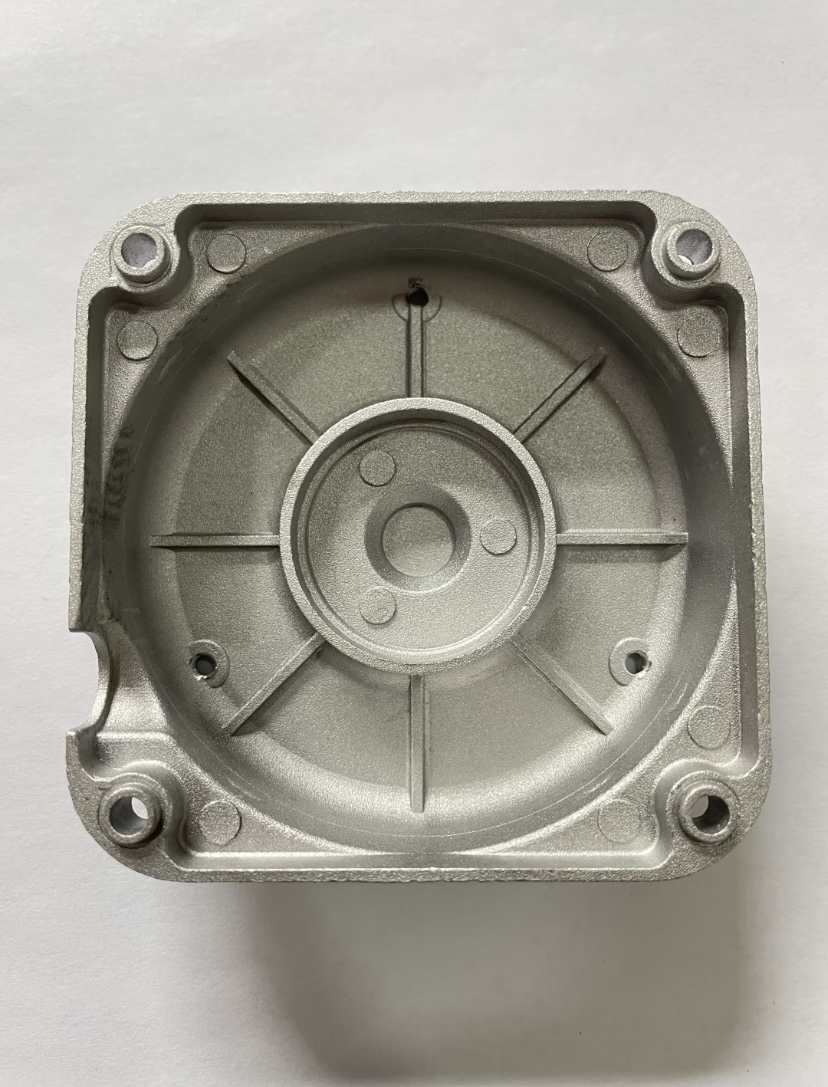
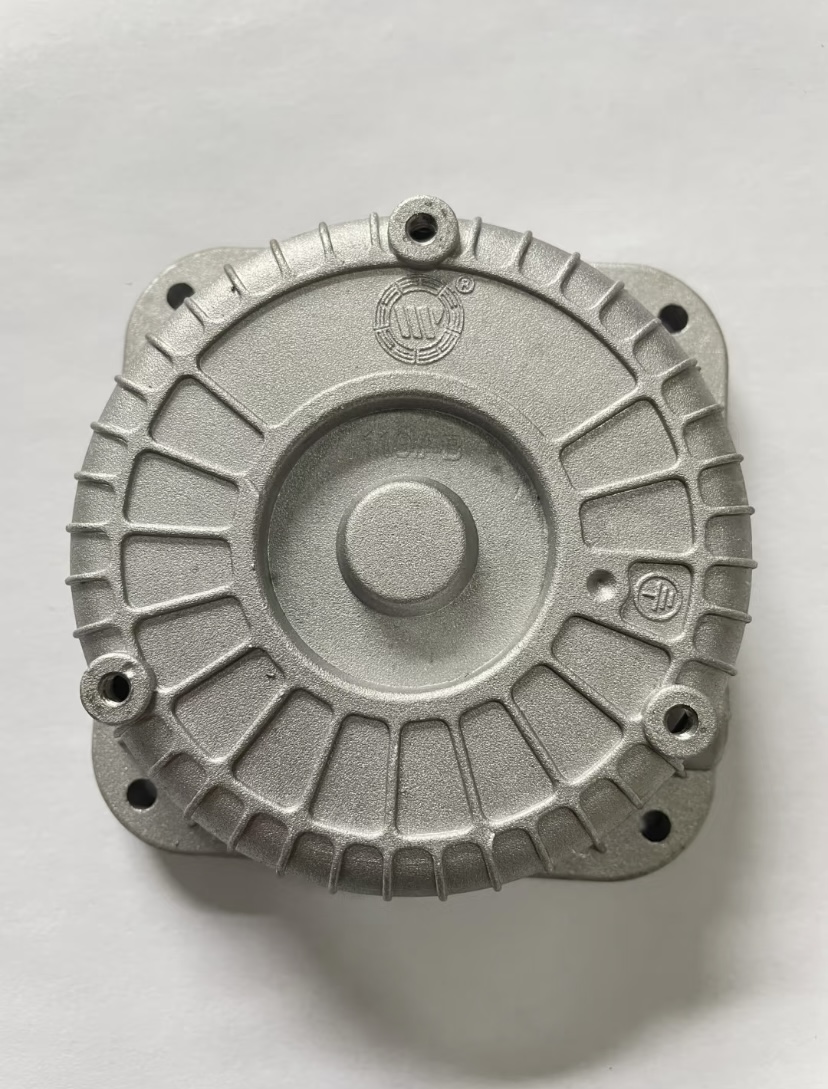
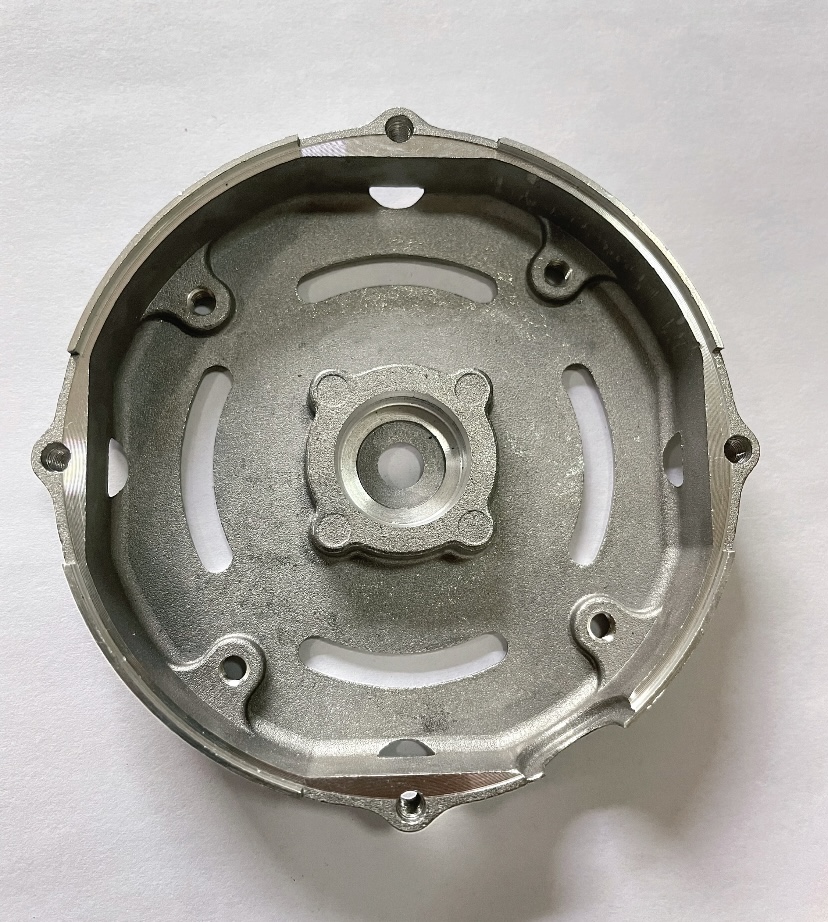
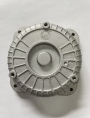
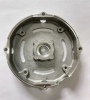
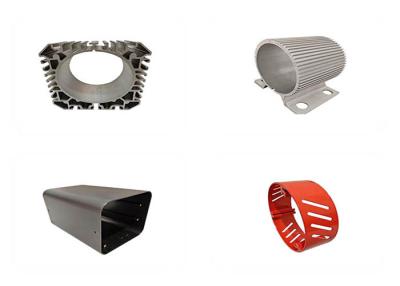
1. Mold Preparation
◦ Preheat the die casting mold to 150–250 °C to avoid cold shut defects caused by rapid cooling of molten aluminum.
◦ Apply mold release agent evenly on the mold cavity surface to facilitate demolding and protect the mold.
2. Melting & Refining of Aluminum Alloy
◦ Melt the aluminum alloy ingots (e.g., ADC12, A380) in a crucible furnace at 620–680 °C.
◦ Perform degassing and deslagging treatment (using argon or nitrogen) to remove hydrogen and impurities in the molten aluminum, ensuring the purity of the melt.
3. Die Casting Injection
◦ Inject the refined molten aluminum into the mold cavity at high speed (30–80 m/s) and high pressure (30–150 MPa) through the injection system of the die casting machine.
◦ Maintain the pressure until the molten aluminum solidifies completely to ensure the density of the casting.
4. Demolding & Trimming
◦ Open the mold after the casting solidifies (usually a few seconds to tens of seconds) and take out the casting with ejector pins.
◦ Cut off the sprue, runner, and flash of the casting using a trimming die or CNC machining to get the basic shape of the part.
5. Deburring & Surface Treatment
◦ Remove residual burrs and sharp edges of the casting by manual grinding or robotic deburring.
◦ Conduct surface treatment such as shot blasting/sandblasting to improve the surface finish and remove oxide scale; anodizing or powder coating can be done as needed for corrosion resistance.
6. Precision Machining
◦ Perform CNC machining (drilling, tapping, milling) on the mounting holes, threaded holes, and mating surfaces of the casting to meet the assembly tolerance requirements (usually IT8–IT10 grade).
7. Quality Inspection
◦ Check the dimensional accuracy of the casting with a caliper, micrometer, or CMM (Coordinate Measuring Machine).
◦ Use X-ray or ultrasonic testing to detect internal defects such as porosity and shrinkage for critical parts.
8. Packaging & Storage
◦ Protect the machined surfaces and threaded holes with protective caps to prevent damage and contamination.
◦ Package the finished products with anti-rust paper and store them in a dry, ventilated warehouse.