Product Description:
High machining accuracy, stable machining quality; can carry out multi-coordinate linkage, can process parts with complex shapes; processing parts change, generally only need to change the CNC program, can improve work efficiency; machine itself, high precision, high rigidity, you can choose a favourable machining dosage, high productivity; high degree of automation of the machine tool, can reduce the labour intensity; high performance, low noise.
Commonly used mechanical metal cutting processing methods mainly include turning, milling, drilling, boring, planing, broaching, grinding and so on.
Turning
Definition: the workpiece rotation for the main movement, the turning tool for the feed movement of the cutting process.
Turning of the main motion for the rotary movement of the part, the tool moves in a straight line for the feed movement, especially suitable for processing rotary surface.
Turning process characteristics:
1. easy to ensure the positional accuracy of the workpiece surface (coaxiality requirements, perpendicularity requirements)
2. High production efficiency
3. Low production cost
4. Applicable to a wide range of materials for processing

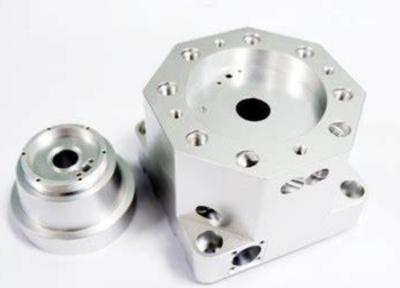
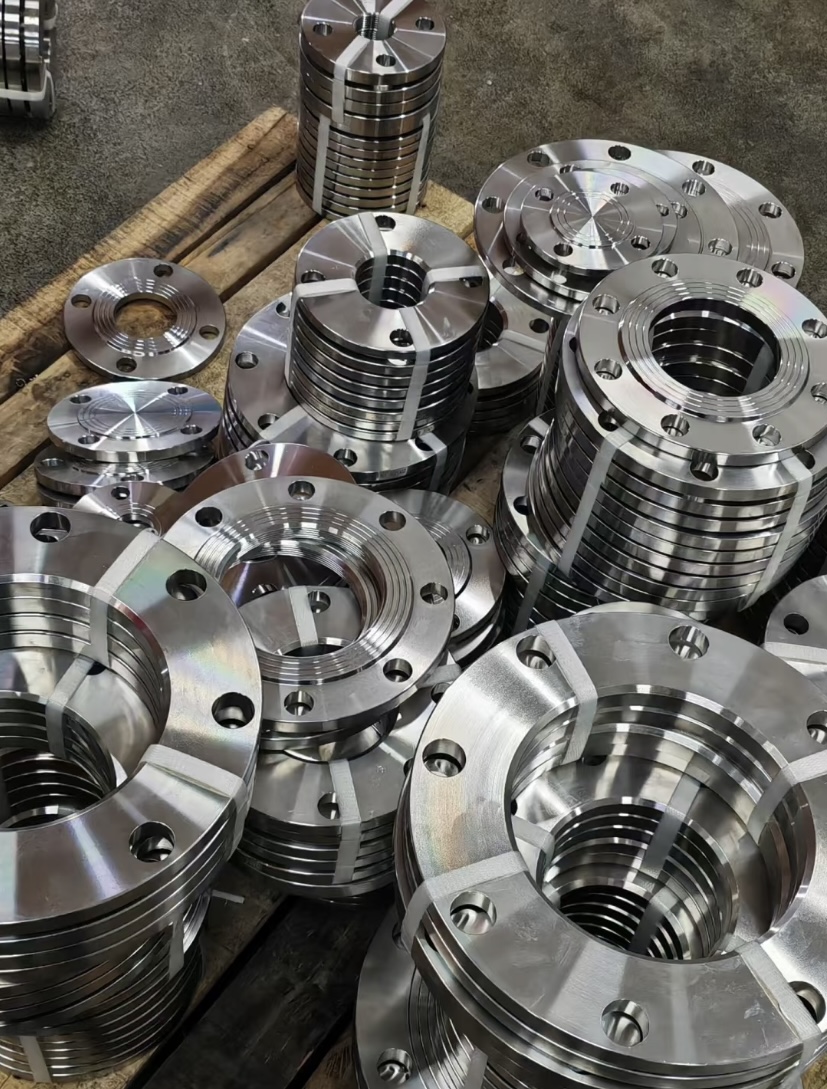
These precision machined flange assemblies are high-performance structural and connecting components crafted from premium stainless steel/alloy steel, integrating forging and CNC machining technologies. Engineered for industrial applications such as petrochemical, aerospace, and heavy machinery, they deliver exceptional dimensional accuracy (tolerance within ±0.01mm), superior mechanical strength, and excellent corrosion resistance. Designed to form leak-tight, high-pressure connections in piping systems and equipment interfaces, these flanges meet international standards like ASME/ANSI and DIN, ensuring compatibility and reliability in critical operating environments.
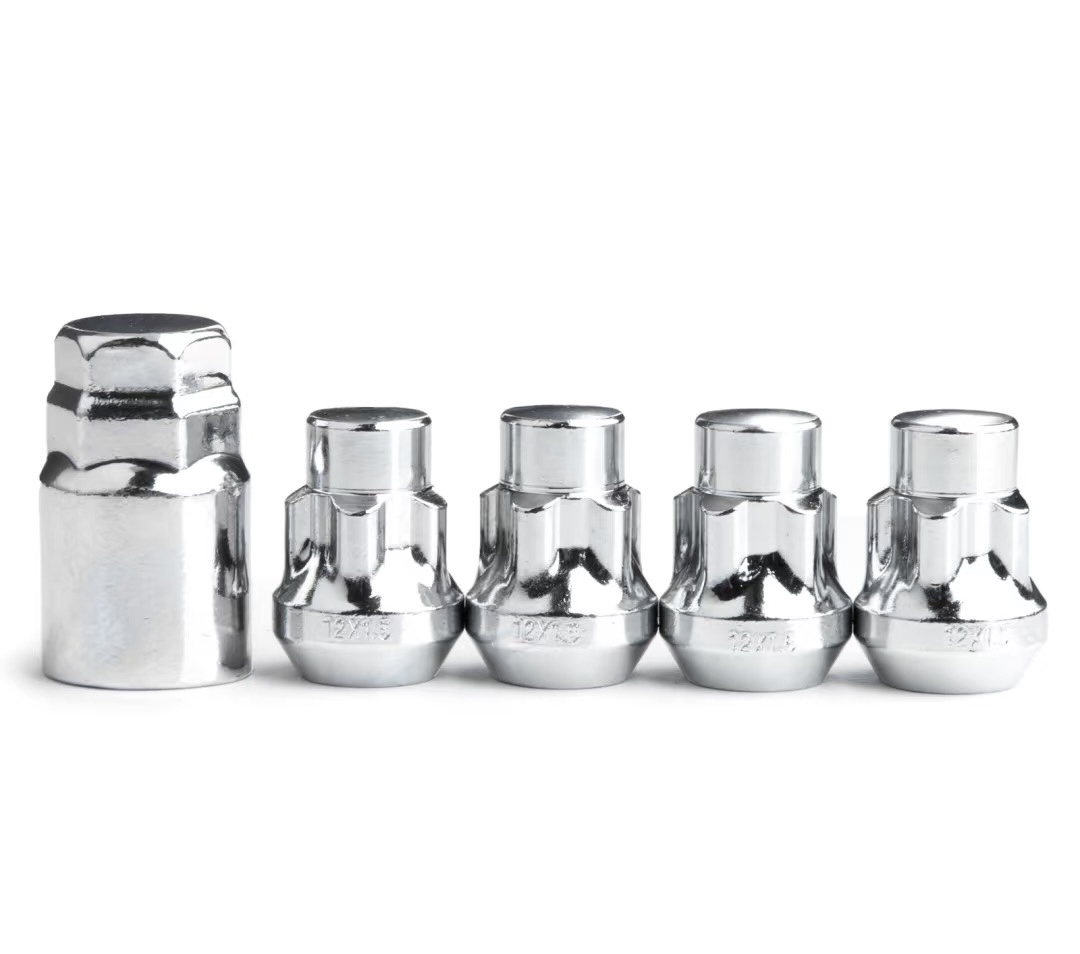
1. Cold Heading Process: A cold heading machine is used to forge steel round bars at room temperature to form the main structures such as the nut head and shank in one operation. This process improves the density and strength of the metal and is suitable for mass production. 2. Thread Processing: Internal threads are made through thread rolling/tapping processes. Thread rolling produces threads with high precision and good strength, which is the mainstream thread processing method for wheel nuts. 3. Surface Treatment: First, heat treatment (quenching and tempering) is carried out to improve hardness, followed by electroplating (zinc plating/chrome plating) to achieve rust prevention and a bright appearance. In some cases, carburizing/nitriding treatment is also applied to enhance wear resistance. 4. Auxiliary Processing: Turning/milling is performed on the anti-theft sleeve (the left part) to create a special-shaped inner hole that matches the anti-theft nut, ensuring anti-theft compatibility.