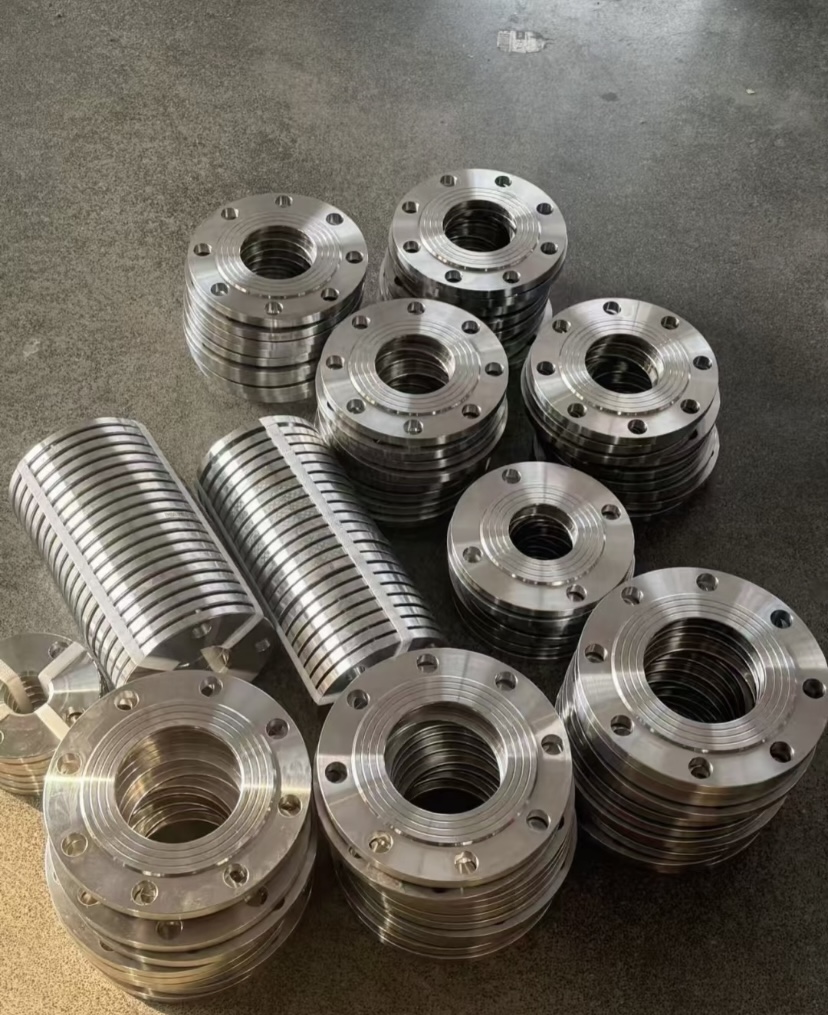
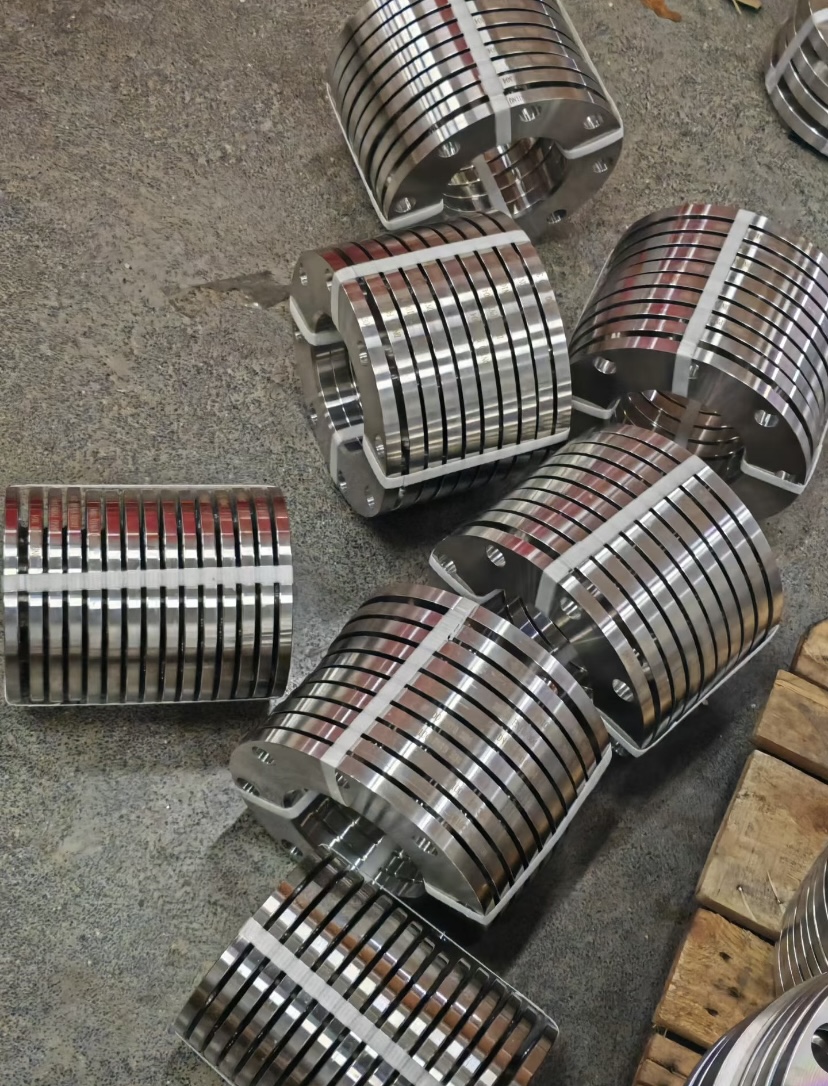
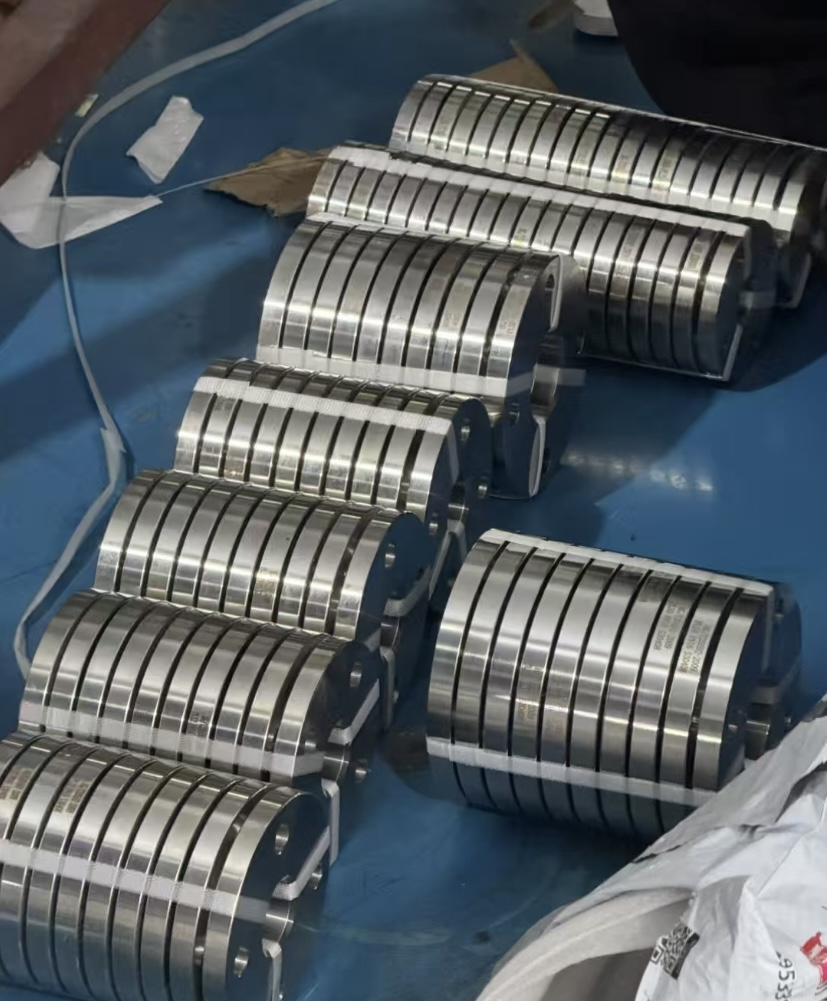
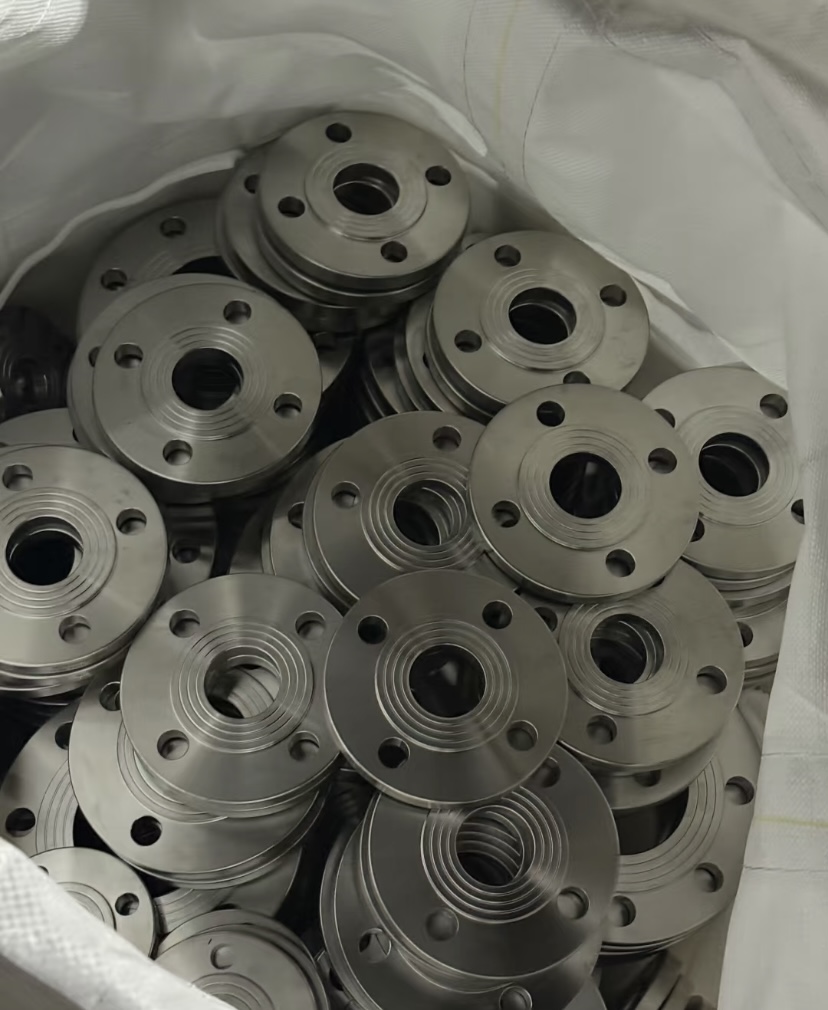
1. Material Selection
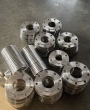
The flanges are fabricated from high-grade stainless steel (e.g., 304/316) or alloy steel (e.g., A105), selected for their robust tensile strength, fatigue resistance, and corrosion resistance. Raw materials undergo strict material certification and ultrasonic testing to eliminate internal defects, laying a solid foundation for the final product’s performance.
2. Manufacturing Process
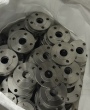
• Forging: The billet is heated to 1000–1200°C and shaped via upsetting, punching, and expanding processes. This forging step refines the grain structure of the material, enhancing its density and load-bearing capacity by up to 30% compared to cast flanges.
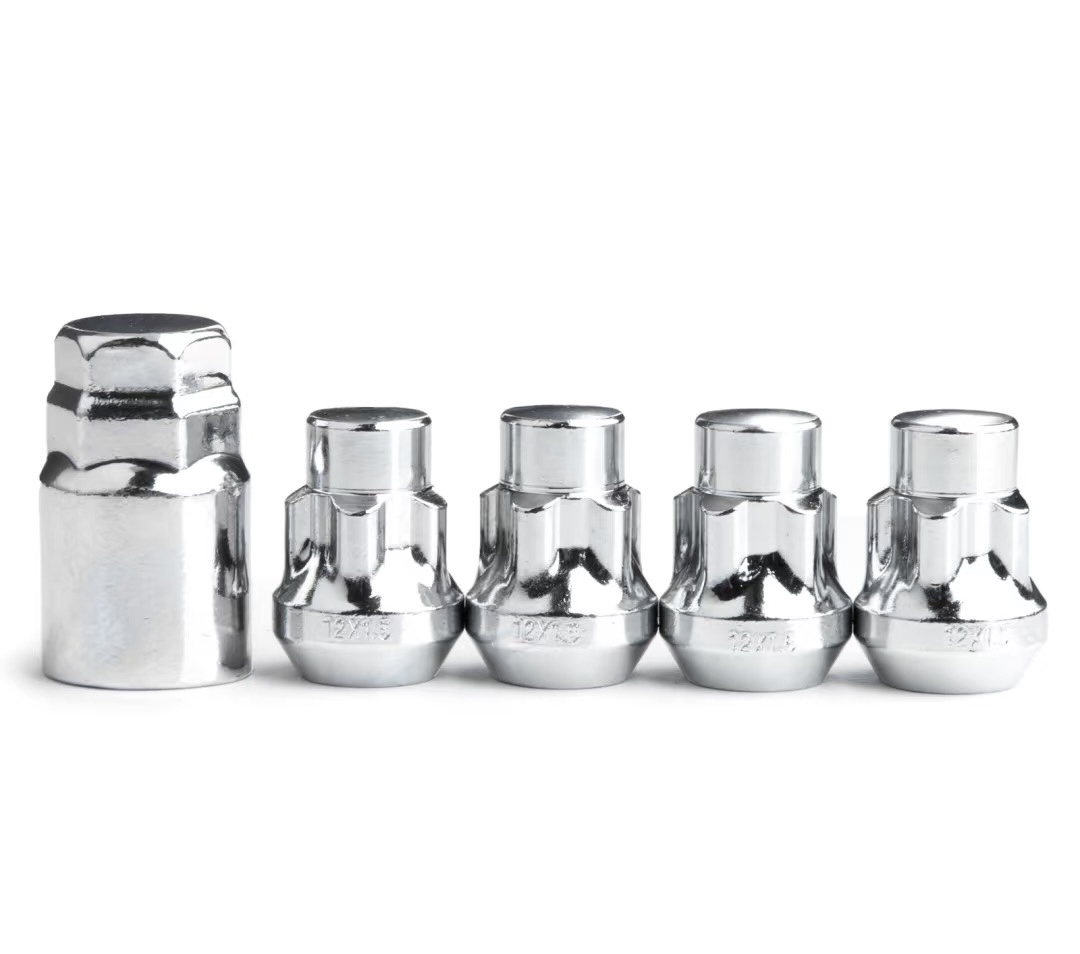
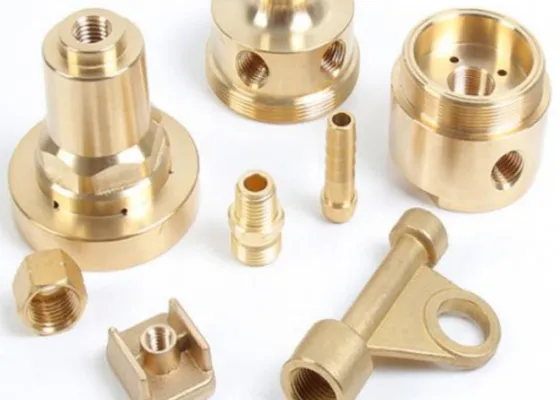
• CNC Machining: Precision turning on CNC lathes achieves tight tolerances for the flange’s inner/outer diameter, sealing surface, and neck. CNC drilling/milling ensures accurate positioning of bolt holes and locating spigots, with repeatability within 0.005mm for key features.
• Heat Treatment: Normalization or solution annealing is applied post-forging/machining to relieve internal stress, prevent deformation, and optimize the material’s mechanical properties.
• Surface & Quality Inspection: The sealing surfaces are polished to a mirror finish (Ra ≤ 0.8μm) for leak-proof sealing. All flanges pass coordinate measuring machine (CMM) checks, pressure testing, and non-destructive testing (NDT) to confirm compliance with design specs.
3. Application Advantages
These flanges excel in high-pressure (up to 2500#) and high-temperature (≤600°C) industrial settings. Their one-piece machined design eliminates welding defects, while the precision-machined thread and sealing surfaces ensure easy installation and long-term stability. They are widely used in pipeline systems, reactor vessels, and mechanical equipment where secure, durable connections are essential.