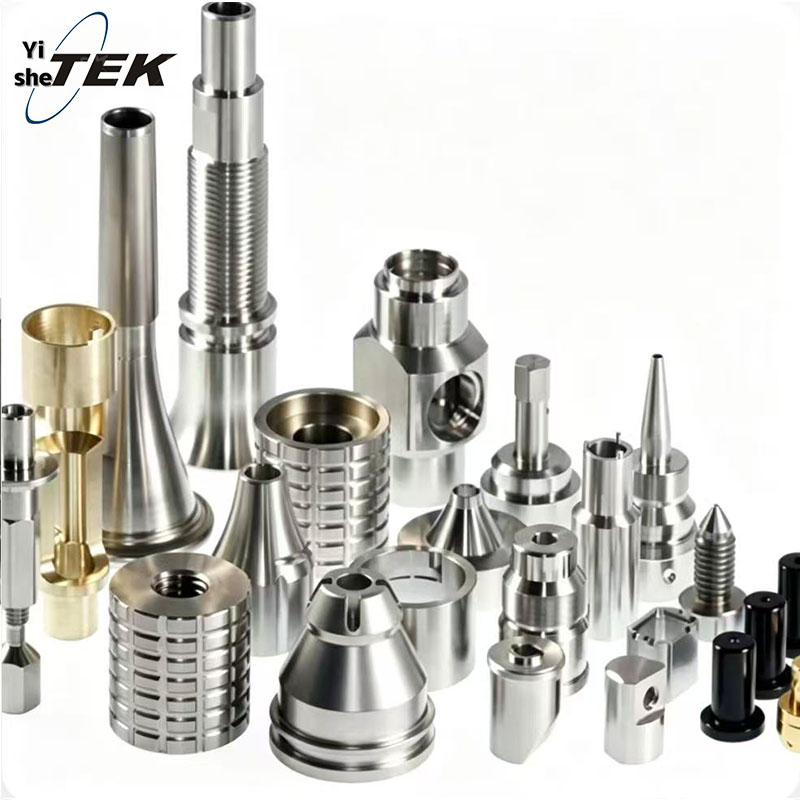
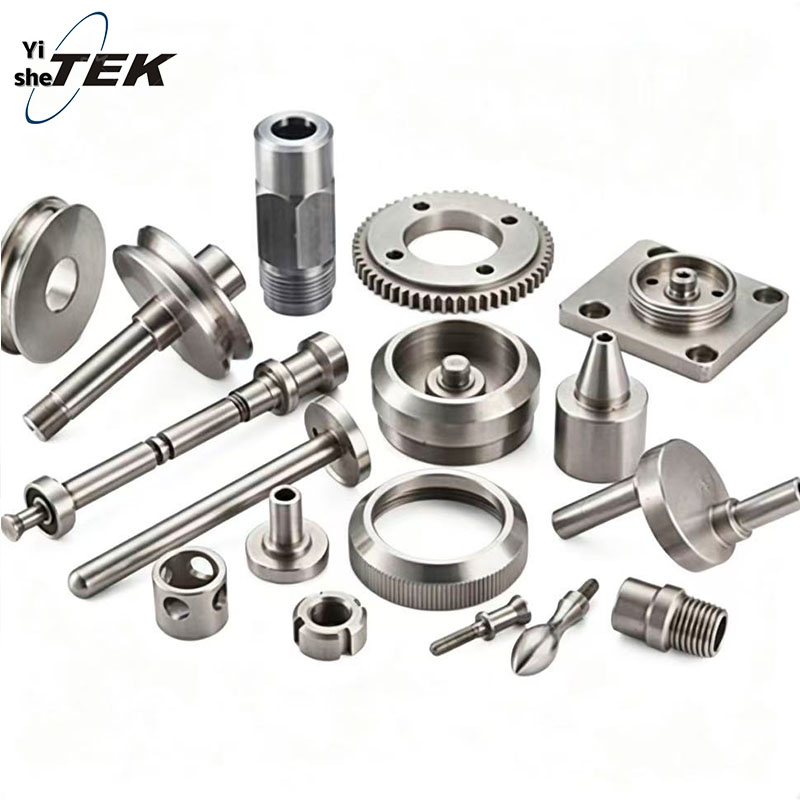
Our machines aren’t just Swiss-style, but many are located in the birthplace of high-precision machining, Switzerland. From some of the earliest high-precision, cam-driven Tornos machines to the latest CNC machines, we have hundreds of Swiss machines capable of producing parts from virtually any material in a wide variety of sizes, from truly sub-miniature diameters up to five inches or more.
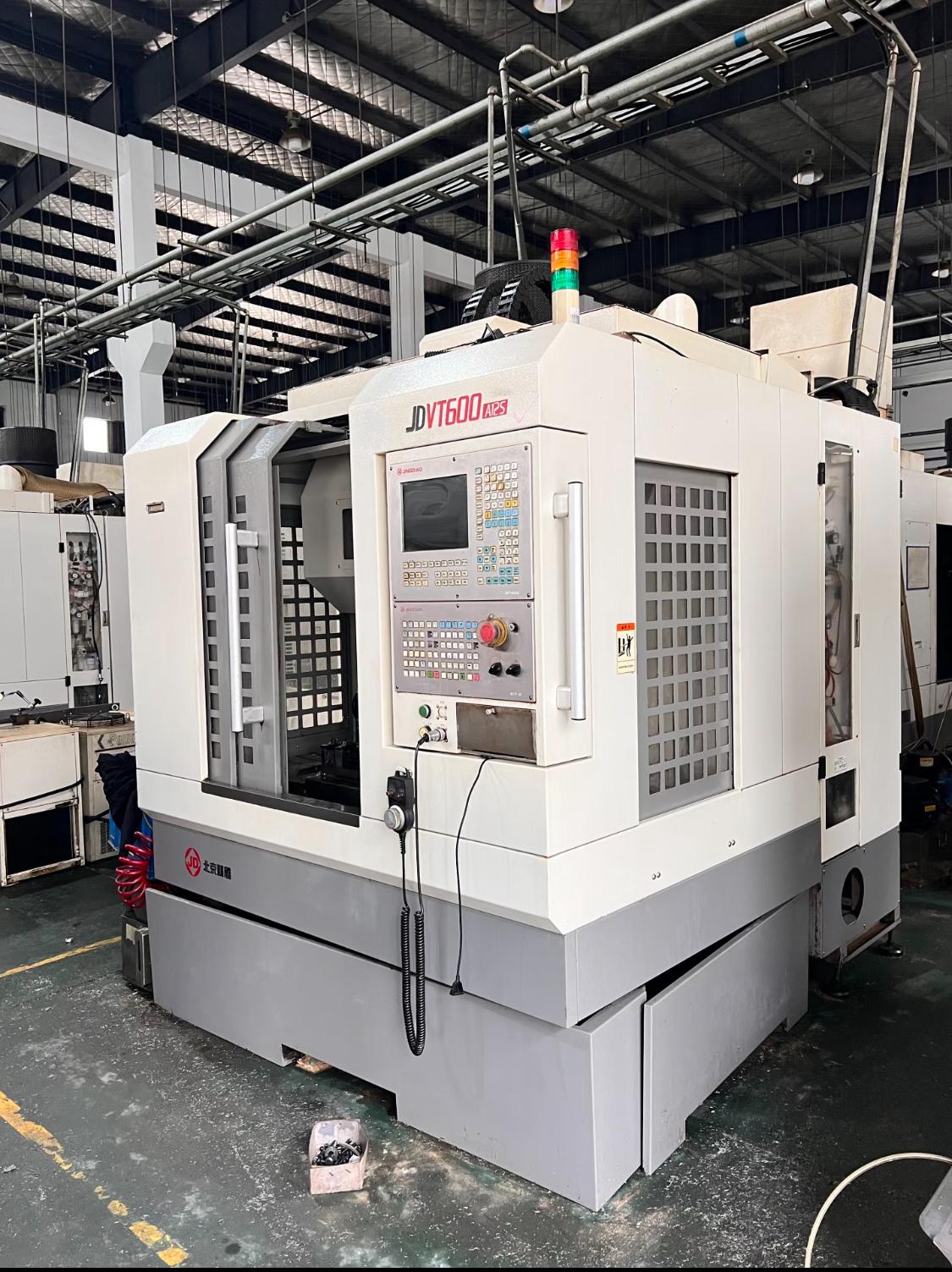
Here are just some of the machines we use:
Single-spindle, cam-driven Tornos - these are the original Swiss high-precision screw machines
Tornos CNCs – the modern equivalent
We are one of the first to have a Tornos Deco 2000, a 12-axis CNC machine
Citizen CNCs
Tsugami CNCs
Escomatic CNCs
D2 for up to 2” diameter
D5 for up to 5”
And D6 for up to 6”
Cam-driven Escomatics for more simple yet high precision components with no cut off burr. Most cost effective at high-volume.
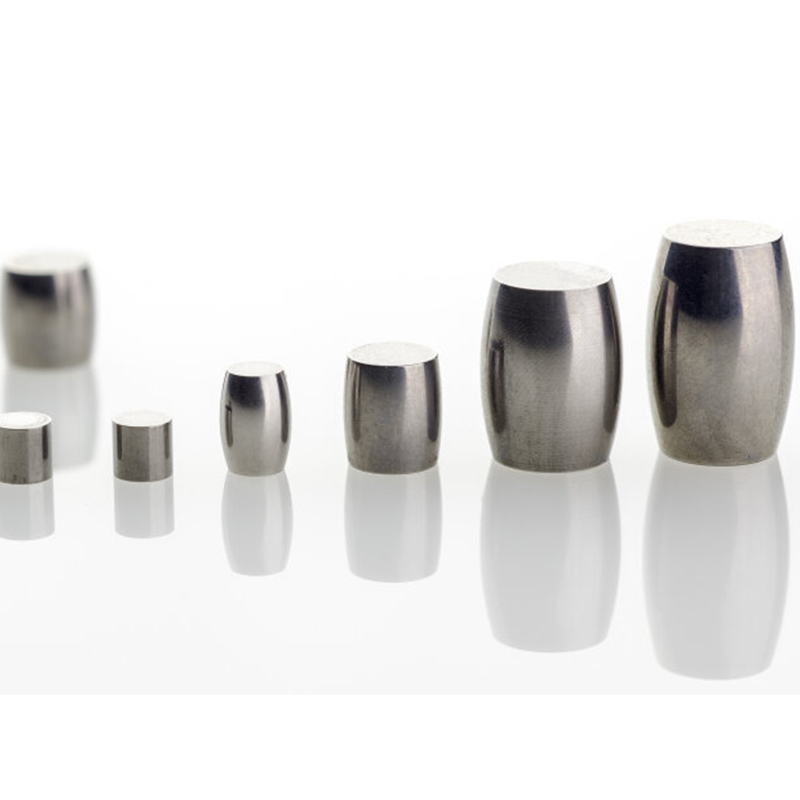
A variety of customized, proprietary high-volume and high-speed Cam-driven machines for connectors, pins and other high volume electronic components
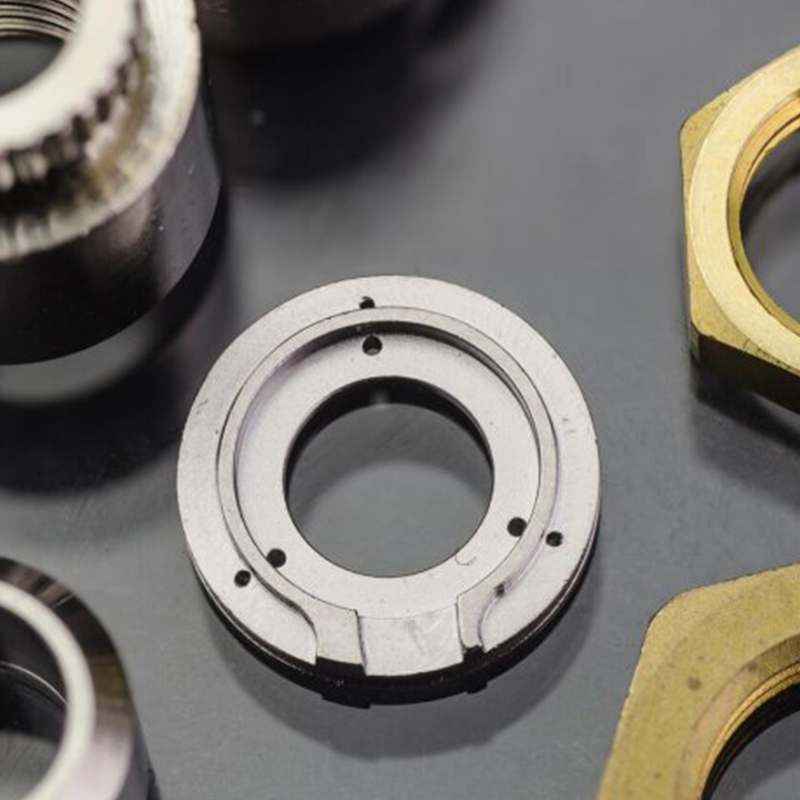
Our services include Knurling, Drilling, Tapping, Threading, Slotting, and Crimping.
We also offer high surface finishing for parts that require a mirror-like finish.

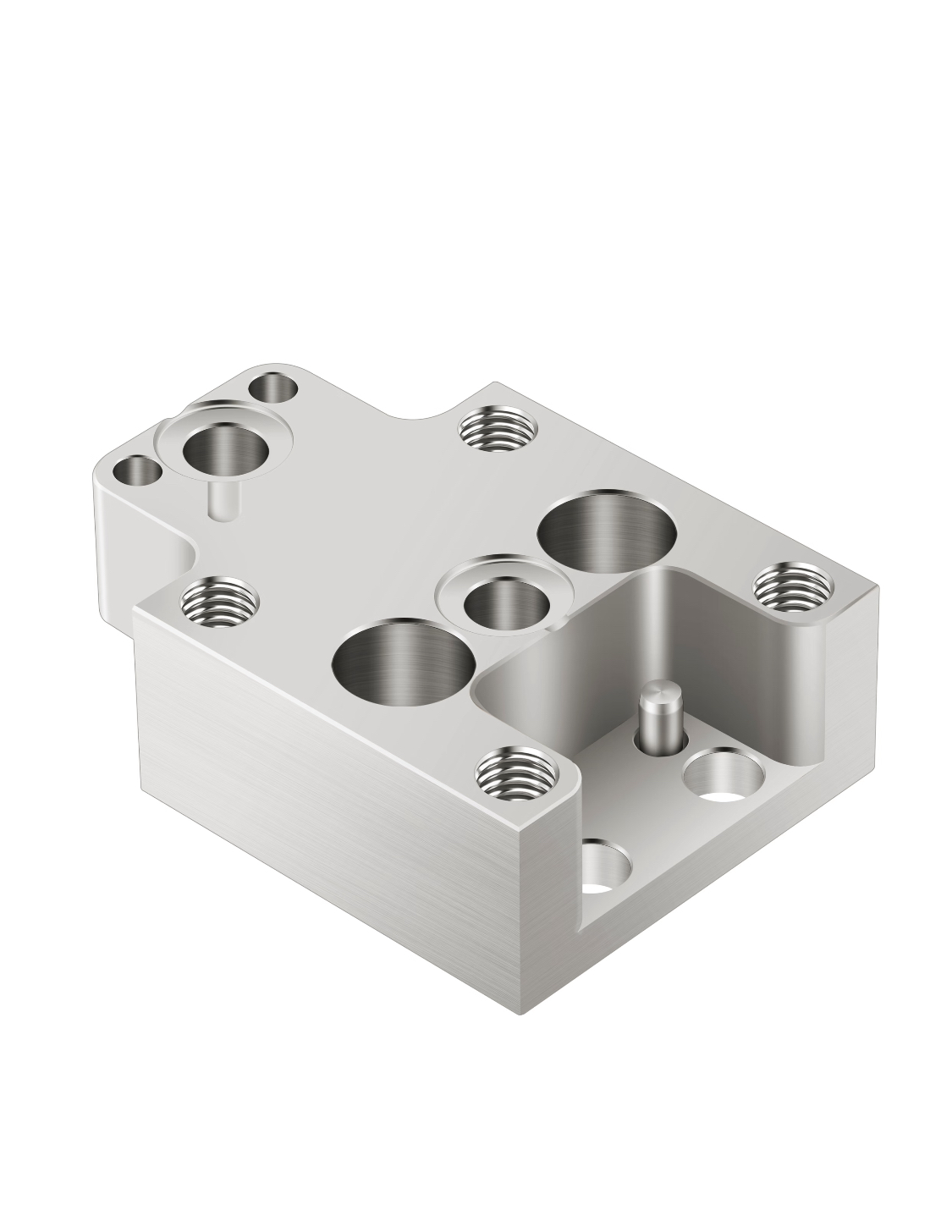
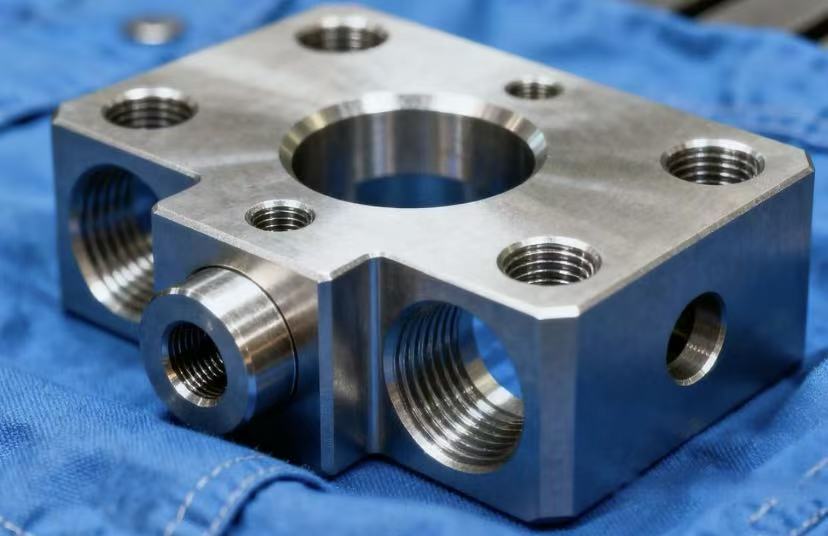
This precision-machined aluminum alloy component is a custom non-standard structural part engineered for high-precision industrial applications such as automated production lines, precision machinery fixtures, and equipment positioning systems. Fabricated from premium aerospace-grade aluminum alloys (6061/7075), it integrates intricate features including milled cavities, threaded holes, counterbores, and locating pins, delivering exceptional dimensional accuracy (tolerance within ±0.005mm) and structural stability. Designed to fulfill critical functions of positioning, mounting, and connection in complex mechanical systems, it offers lightweight performance combined with high strength and corrosion resistance.
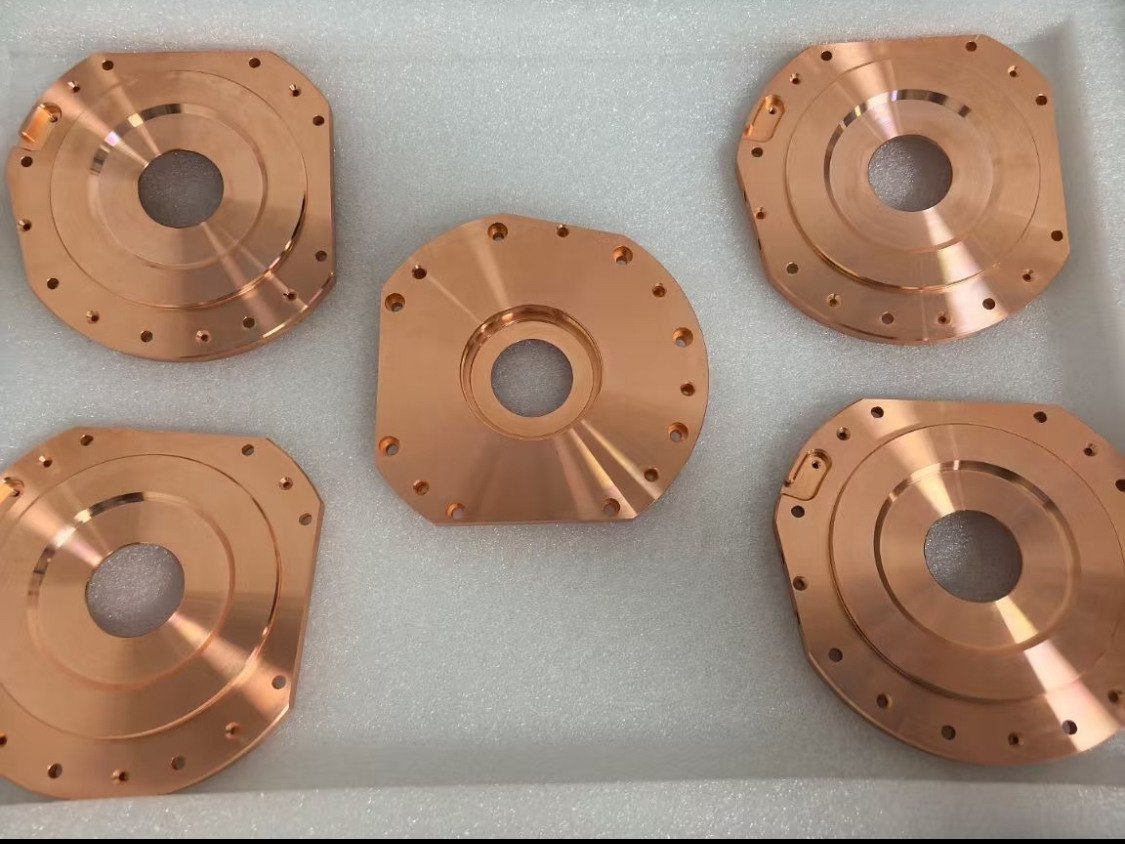
This product is a purple copper precision mechanical part (also known as red copper CNC machined parts), which belongs to high-precision mechanical components.
1. Basic Machining: The forged steel/aluminum alloy blanks are first cut to size, then the six external surfaces are milled. Rough and fine grinding are then performed to ensure flatness and perpendicularity. 2. Hole Machining: Oil passages and mounting holes are machined using drilling/boring. Deep holes are machined using gun drilling/BTA deep hole drilling technology; threaded holes are formed by tapping/thread milling. 3. Post-processing: The parts are deburred, high-pressure cleaned, and then subjected to surface anti-corrosion treatment (such as nickel plating or bluing). Finally, a pressure test is performed to verify the sealing performance.